
The Impact of Technology and Social Media on Marriage
16th March 2026
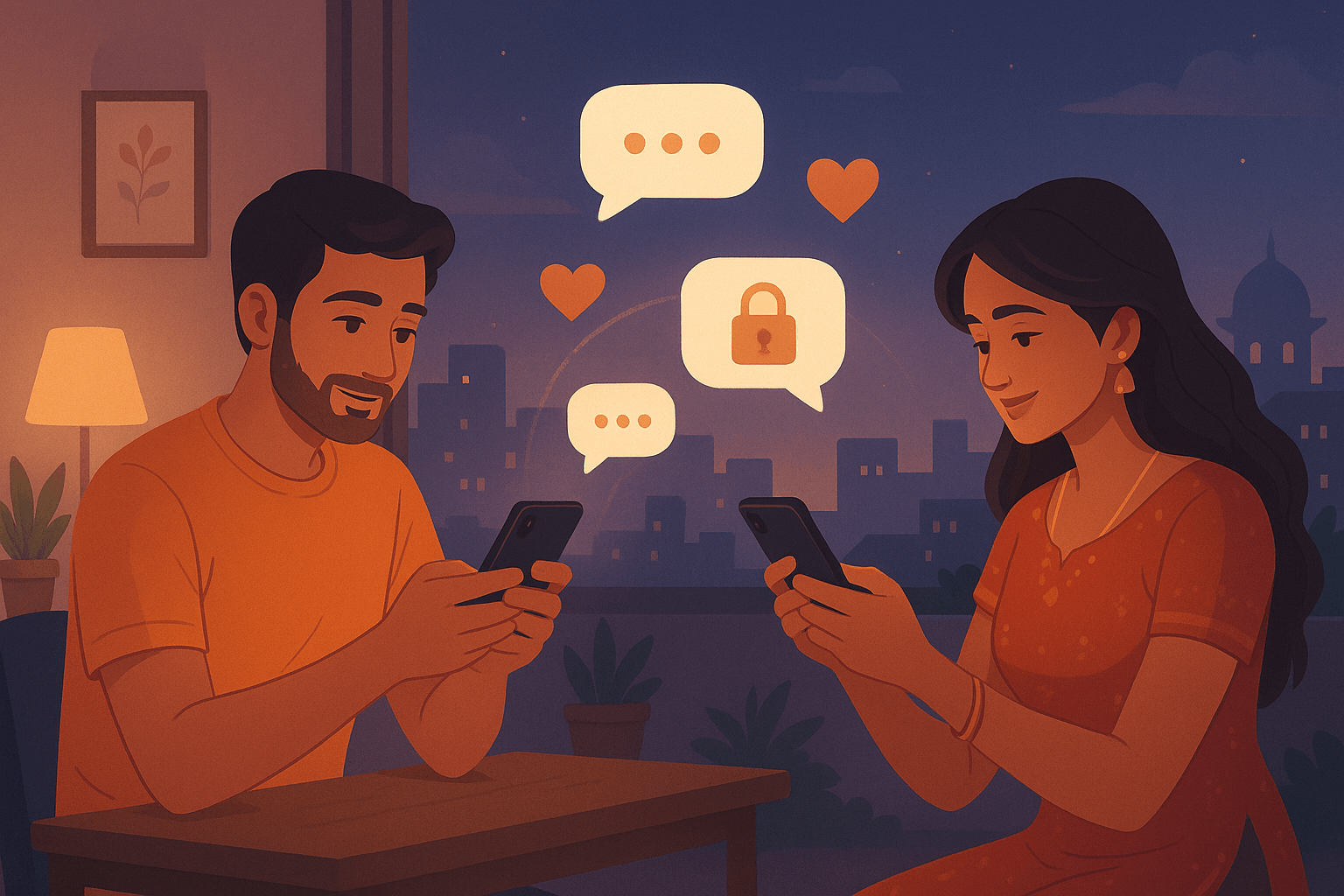
In the past few decades, technology has transformed almost every aspect of human life, including how people communicate, build relationships, and maintain marriages. The rapid growth of the internet, smartphones, and social media platforms such as Facebook, Instagram, and WhatsApp has created both opportunities and challenges for married couples. While technology can strengthen communication and connection, it can also introduce new conflicts and pressures that affect marital stability. Understanding the impact of technology and social media on marriage is essential in today’s digital world.
Improved Communication Between Couples
One of the most significant positive impacts of technology on marriage is improved communication. Couples can stay connected throughout the day through messaging apps, video calls, and social media platforms. Even when partners are physically apart due to work, travel, or other commitments, technology allows them to share messages, photos, and updates instantly.
Applications like WhatsApp and Facebook Messenger enable couples to maintain constant contact, which can strengthen emotional bonds. A simple message during a busy day can show care and appreciation, helping partners feel valued and supported. Video calling platforms such as Zoom or Skype also help couples communicate face-to-face even when they are in different locations.
This level of connectivity was not possible in earlier generations. Today, technology allows couples to maintain closeness regardless of distance, making long-distance marriages more manageable than ever before.
Strengthening Emotional Connections
Social media can also help couples express affection publicly and privately. Posting photos together, celebrating anniversaries, or sharing memories can reinforce a sense of pride and commitment in a relationship. Platforms like Instagram allow couples to document their life journey and celebrate milestones together.
In addition, technology provides access to relationship advice, counseling services, and educational resources. Couples can watch relationship podcasts, read articles, or attend online counseling sessions. These resources can help partners better understand each other and improve their relationship skills.
Increased Transparency and Trust
Technology can also promote transparency in marriages. Couples often share passwords, locations, or daily activities through apps, which can build trust and accountability. Features such as location sharing or shared calendars help partners coordinate responsibilities and daily plans.
For example, couples may use apps to organize family schedules, manage finances, or plan vacations. This shared digital space can strengthen teamwork within the marriage and reduce misunderstandings about responsibilities.
The Problem of Digital Distraction
Despite these benefits, technology can also create serious challenges in marriages. One major issue is digital distraction. Many people spend large amounts of time on their phones, scrolling through social media or responding to messages. This behavior can reduce the quality of time couples spend together.
When one partner is constantly checking notifications from apps like TikTok or Instagram, the other partner may feel ignored or unimportant. Over time, this lack of attention can create emotional distance between spouses.
Psychologists often refer to this behavior as “phubbing,” which means ignoring someone in favor of a mobile phone. In marriages, frequent digital distraction can weaken communication and lead to frustration and conflict.
Social Media and Unrealistic Expectations
Another negative impact of social media on marriage is the creation of unrealistic expectations. Many people share only the best moments of their lives online—vacations, gifts, romantic dinners, and celebrations. When couples constantly see these idealized images, they may begin to compare their own relationship to others.
For example, seeing seemingly perfect couples on Facebook or Instagram can create pressure to meet unrealistic standards. This comparison may lead to dissatisfaction or feelings that one’s own marriage is not good enough.
However, what people share online rarely reflects the full reality of their relationships. Every marriage has challenges, but social media often hides those struggles.
Privacy and Trust Issues
Technology can also create new forms of conflict related to privacy and trust. Social media interactions with strangers, former partners, or colleagues can sometimes cause jealousy or suspicion. Liking photos, sending private messages, or maintaining secret conversations may lead to misunderstandings or emotional conflicts.
In some cases, social media has contributed to emotional affairs, where individuals form close emotional connections with someone outside their marriage through online communication. Even when no physical relationship exists, such emotional attachments can damage trust between partners.
Additionally, arguments may arise over how much of the relationship should be shared publicly online. One partner may enjoy posting personal moments, while the other may prefer to keep their private life offline.
Cyber Infidelity
One of the more serious concerns related to technology in marriage is cyber infidelity. Online platforms make it easier than ever to connect with new people or reconnect with past partners. Messaging apps, dating platforms, and social media networks can sometimes lead to secret conversations that undermine marital trust.
Unlike traditional infidelity, cyber infidelity may begin casually through online chats or comments but gradually develop into deeper emotional relationships. When discovered, these online interactions can cause the same level of betrayal and emotional pain as physical affairs.
Finding Balance in the Digital Age
Despite the challenges technology brings, healthy marriages can still thrive in the digital age if couples learn to maintain balance. Setting boundaries around technology use is one important strategy. For example, couples can agree to avoid phones during meals, family time, or before bedtime.
Open communication is also essential. Partners should discuss their expectations regarding social media use, privacy, and online interactions. When both individuals understand each other's boundaries, misunderstandings can be reduced.
Another helpful approach is using technology in ways that strengthen the relationship rather than weaken it. Couples can send supportive messages, share positive experiences online, or plan activities together using digital tools.
Technology and social media have significantly reshaped modern marriages. Platforms such as Facebook, Instagram, and WhatsApp provide couples with new ways to communicate, share experiences, and stay connected. At the same time, they introduce challenges such as digital distraction, unrealistic expectations, privacy concerns, and cyber infidelity.
Ultimately, the impact of technology on marriage depends on how couples choose to use it. When used thoughtfully, technology can strengthen relationships by improving communication and fostering emotional closeness. However, when overused or misused, it can create distance and conflict.
In the modern world, successful marriages require not only love and commitment but also digital awareness and responsibility. Couples who learn to balance technology with genuine face-to-face connection are more likely to build strong, lasting relationships in the digital age.