
A Key Skill in a Successful Marriage
2nd March 2026
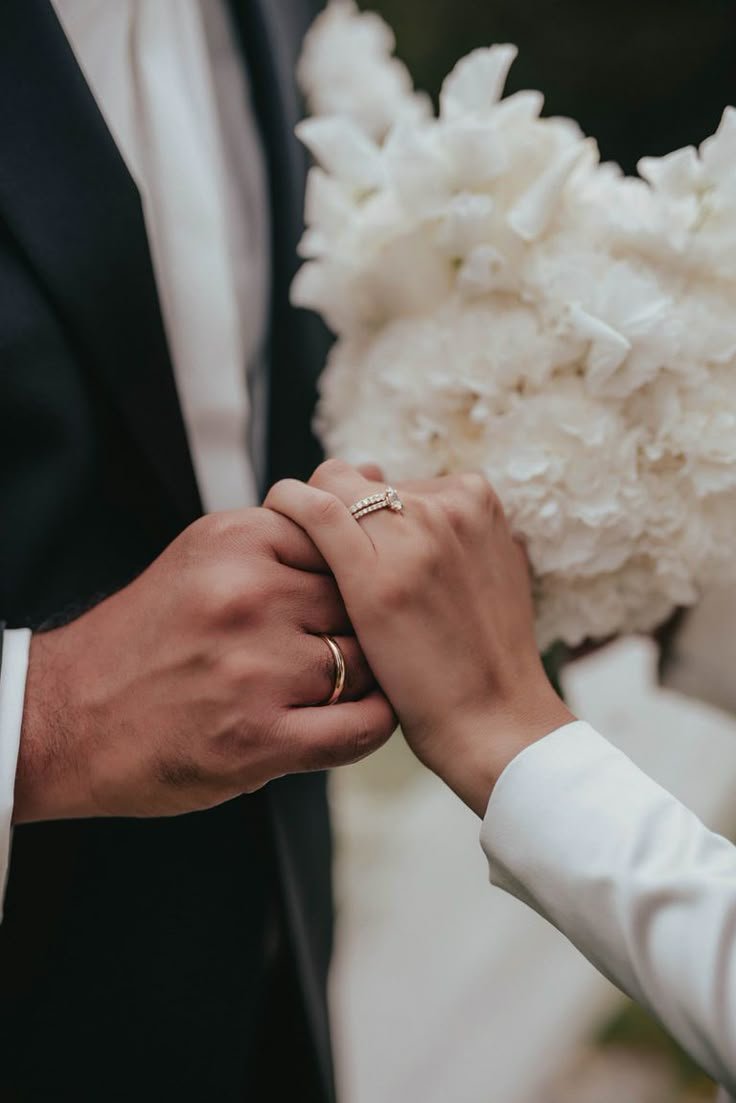
Marriage is one of the most meaningful and life-changing commitments two people can make. It is more than a legal contract or a social tradition; it is a partnership built on love, trust, respect, and shared responsibility. Among all the qualities that sustain a healthy and lasting marriage, communication stands out as the most important skill. Without clear, honest, and compassionate communication, even the strongest relationships can weaken over time. On the other hand, when couples learn how to communicate effectively, they create a strong foundation that can withstand challenges and grow stronger with time.
Communication in marriage is not limited to talking. It includes listening, understanding, expressing feelings, observing body language, and responding with empathy. Many marital problems do not arise because couples do not love each other, but because they fail to communicate their thoughts and emotions properly. Misunderstandings, unspoken expectations, and unresolved conflicts often create distance between partners. Therefore, developing healthy communication habits is essential for a successful marriage.
One of the most important aspects of communication is active listening. Listening means more than simply hearing words. It involves giving full attention to your partner, maintaining eye contact, and showing genuine interest in what they are saying. When a spouse feels heard and understood, they feel valued and respected. Active listening also requires patience. Instead of interrupting or preparing a response while the other person is speaking, it is important to focus entirely on understanding their perspective. This simple practice can prevent many unnecessary arguments.
Honesty is another key element of effective communication. A strong marriage cannot survive without truthfulness. Couples should feel safe to express their feelings, fears, dreams, and concerns without fear of judgment. When partners hide their thoughts or pretend that everything is fine, emotional distance begins to grow. Honest communication does not mean being harsh or hurtful. It means expressing the truth kindly and respectfully. For example, instead of blaming a partner by saying, “You never listen to me,” one can say, “I feel unheard when I try to share my thoughts.” This approach reduces defensiveness and encourages understanding.
Emotional expression is equally important. Many people struggle to share their emotions openly. However, marriage requires vulnerability. Sharing happiness, sadness, stress, and excitement strengthens emotional intimacy. When couples talk openly about their feelings, they build trust and closeness. Emotional communication also helps partners support each other during difficult times. Life brings challenges such as financial stress, health problems, or work pressure. In these moments, open communication becomes the bridge that connects two hearts and allows them to face difficulties together.
Non-verbal communication also plays a significant role in marriage. Facial expressions, tone of voice, gestures, and physical touch can communicate more than words. A warm smile, a gentle touch, or a supportive hug can convey love and reassurance without speaking. At the same time, negative body language such as crossed arms, eye-rolling, or a harsh tone can create tension. Being aware of non-verbal signals helps couples avoid misunderstandings and maintain harmony.
Conflict is a natural part of any relationship. No two individuals think exactly alike. Differences in opinions, habits, and preferences are normal. However, the way couples communicate during conflicts determines whether their marriage becomes stronger or weaker. Healthy communication during disagreements involves staying calm, avoiding insults, and focusing on the issue rather than attacking the person. It is important to use respectful language and to aim for solutions instead of winning the argument. Saying “Let’s find a solution together” creates teamwork, while saying “You are always wrong” creates division.
Another important communication skill is empathy. Empathy means trying to understand your partner’s feelings and experiences from their point of view. It requires compassion and patience. Even if you disagree with your spouse, acknowledging their feelings can reduce tension. For example, saying, “I understand that you are feeling stressed about work,” shows support and care. Empathy builds emotional safety in a marriage, allowing both partners to express themselves freely.
Time and attention are also essential for good communication. In today’s busy world, couples often become distracted by work, social media, and daily responsibilities. Spending quality time together without distractions strengthens communication. Simple habits such as having dinner together, going for a walk, or discussing the day before sleeping can improve emotional connection. When communication becomes a daily practice rather than an occasional effort, relationships grow deeper and more meaningful.
Moreover, communication supports shared decision-making. Marriage involves many important decisions related to finances, careers, children, and future goals. Open discussions help couples understand each other’s expectations and reach mutual agreements. When decisions are made together, both partners feel respected and involved. This sense of partnership strengthens unity and reduces resentment.
Effective communication also helps maintain romance and appreciation. Expressing gratitude, giving compliments, and saying “thank you” for small acts of kindness keep love alive. Over time, couples may take each other for granted. Regularly expressing appreciation reminds both partners of their value in the relationship. Words of affirmation, encouragement, and affection nurture emotional closeness.
However, communication is a skill that requires continuous effort and improvement. No one is perfect, and misunderstandings may still occur. The key is willingness to learn and grow together. Couples can improve their communication by reading relationship books, attending counseling if necessary, and practicing patience. Seeking help is not a sign of weakness but a sign of commitment to the marriage.
communication is the heart of a successful marriage. It connects two individuals, allowing them to share their lives, dreams, and challenges. Through active listening, honesty, empathy, respectful conflict resolution, and consistent effort, couples can build a strong and lasting bond. Love may bring two people together, but communication keeps them together. When partners choose to speak kindly, listen carefully, and understand deeply, their marriage becomes not only a partnership but a lifelong journey of growth, trust, and happiness.
Marriage, Successful